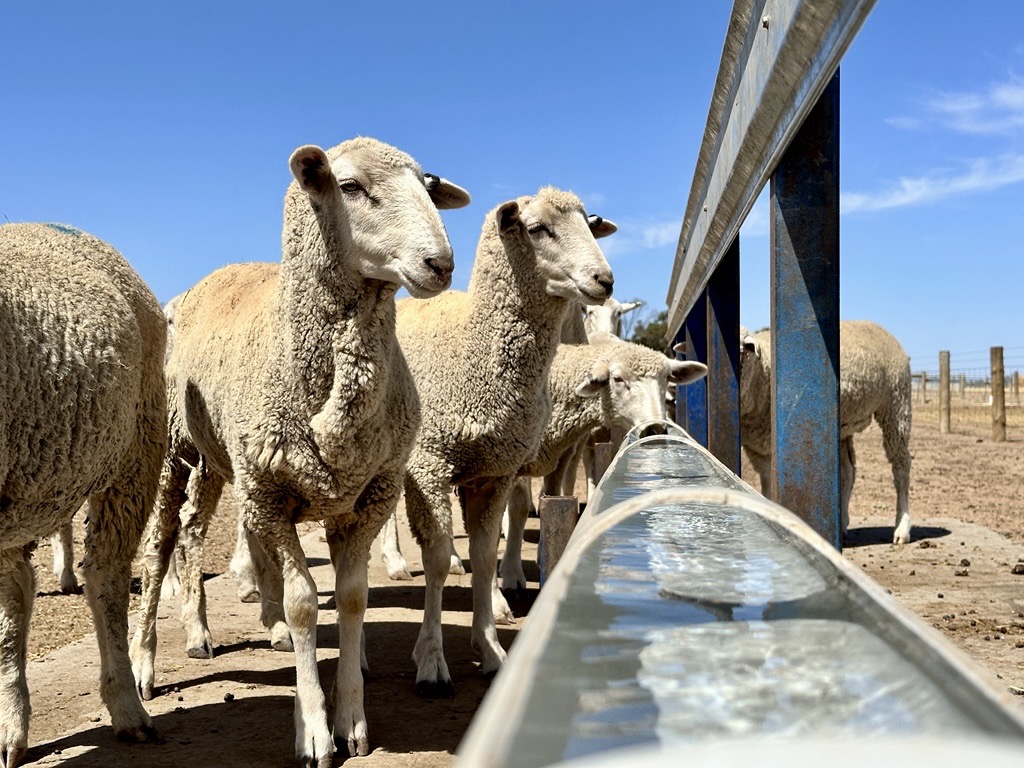
Poor water quality is one of the most overlooked drivers of livestock performance. Producers invest heavily in nutrition programs and pasture management, yet water often gets left off the checklist – and that oversight can quietly cost you.
Water makes up around 70% of an animal’s body weight, so even small drops in quality can have a direct impact on intake, digestion and overall productivity. Fortunately, it’s an easy thing to fix and a gap worth closing.
The real cost of poor water quality
It’s simple: when water quality drops, so does everything else – intake, feed utilisation, growth rates, productivity and animal wellbeing.
Research backs this up. Cattle drinking clean water can gain up to 23% more weight than those drinking from dams and 20% more than those drinking dam water pumped into troughs.*
For a mob of 100 animals starting at 300 kg, that’s an additional 690 kg of liveweight over just two months.
That’s not a marginal gain. It’s a meaningful difference in profitability, and it comes from one of the most basic inputs on your property.
Water quality and water-based supplementation
If you’re running a water-based supplementation program, clean troughs aren’t just good practice, they’re part of getting the most out of your investment.
Trough hygiene helps ensure that what you’re putting in the water reaches your animals the way it’s intended to. It’s a straightforward way to protect the value of your nutrition program.
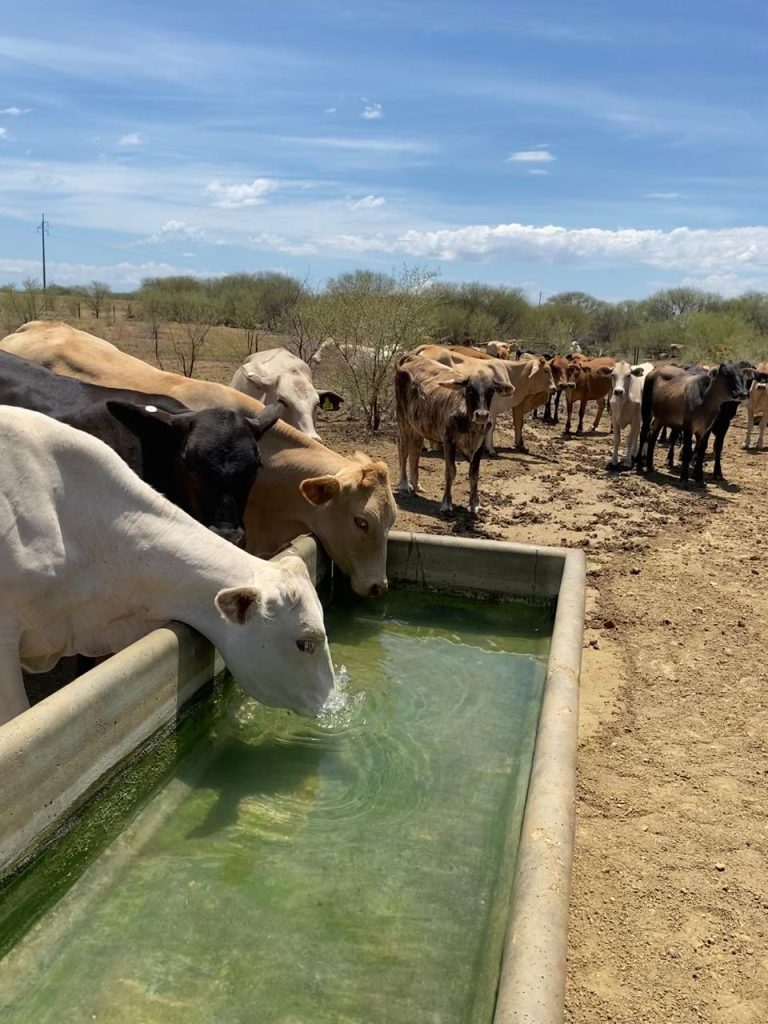
Keeping your troughs clean, what to look for?
Cleaning frequency depends on season, stocking density and conditions on your property. There’s no single rule, but there is a simple one to live by: If you wouldn’t drink it, your livestock shouldn’t either.
As a baseline, troughs should be:
- Free from visible biological growth
- Clear of dust, manure and debris
- Regularly flushed to keep water fresh and moving
Step up your checks during summer and peak stocking periods, when problems build the fastest.
Water quality is not just a hygiene issue. It’s a direct driver of productivity and profitability on your operation. Fixing it doesn’t require a major investment, but the returns can be significant.
We’ve put together a short, practical guide that covers everything you need to know.
👉 Download our Water Quality Guide here.
Or if you’d like to talk through what this looks like on your operation, reach out to the team.
* WILLMS, W.D. et al. Effects of water quality on cattle performance. Journal of Range Management, v. 55, p. 452–460, Sept. 2002.