
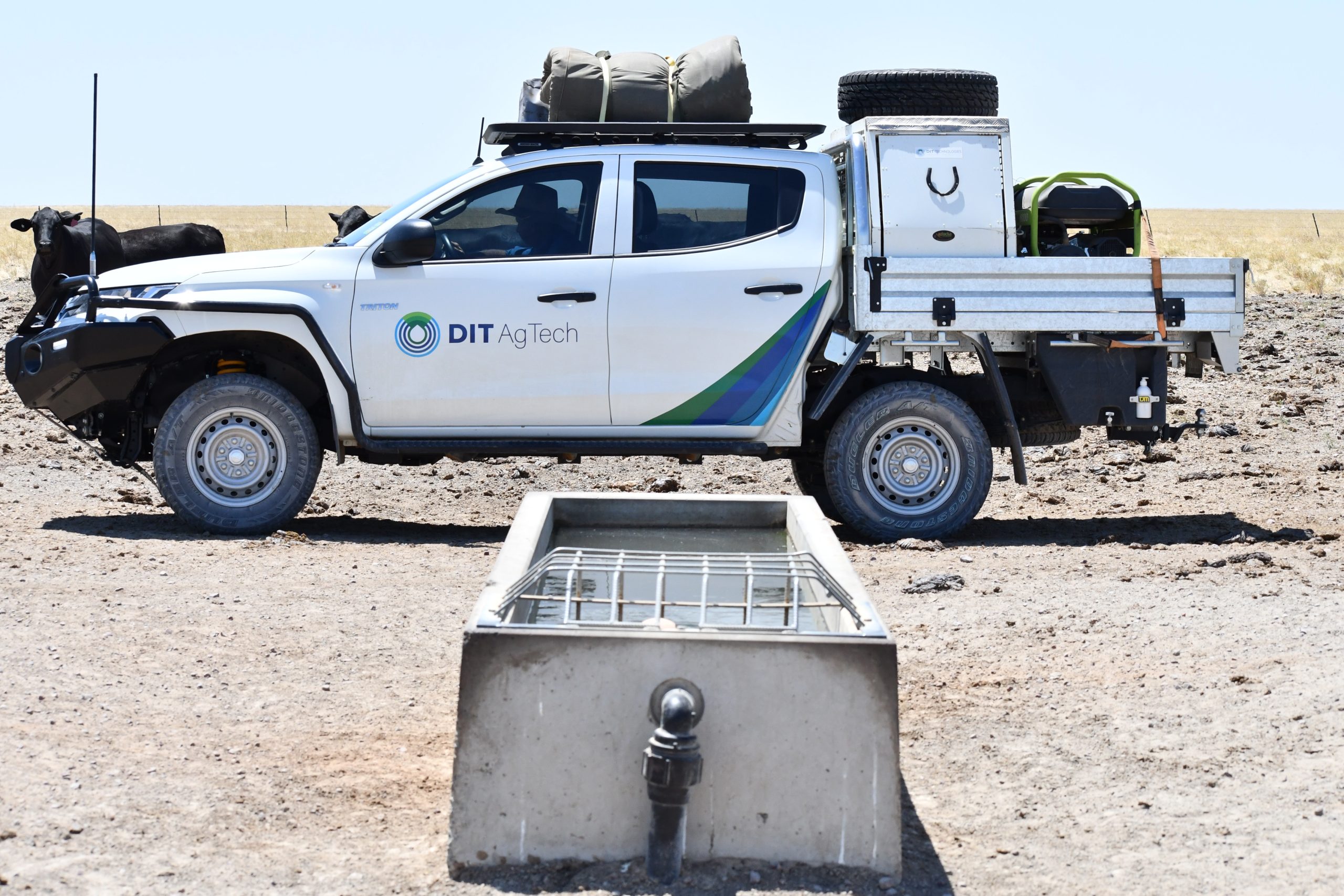
Ongoing conflict in the Middle East has disrupted global urea supply chains, and Australian livestock producers are feeling the pressure. Urea is a critical input for farmers providing a cost-effective non-protein nitrogen source (NPN) to improve animal nutrition. Since the start of 2026, urea prices have surged by nearly 90%, and with supply tightening across the industry, availability is becoming as much of a concern as cost.
At the same time, fuel prices remain volatile, adding further strain to day-to-day operations.
For producers, it’s not just about higher costs on paper. It’s about what those costs mean in practice: more expensive feeding, tighter margins, and harder decisions around inputs.
While prices are out of your control, you can control how it impacts your operation.
The real cost isn’t just the product
Fuel and urea don’t sit in isolation; they flow through your entire operation. When the cost of both moves at the same time, the impact compounds quickly.
Higher fuel costs mean every feeding run, every tank check, every trip across the paddock costs more. For producers managing large or remote properties, those runs add up fast. And with urea-based supplements now significantly more expensive, the cost per head per day to supplement cattle is climbing before you’ve even factored in labour.
The result is farmers are working harder for less return, and that’s where the real pressure lies.
Shifting the focus: from input cost to efficiency
In a high-cost environment, cutting inputs isn’t always the answer and for livestock producers, it can be a false economy. Reducing supplementation to save on urea costs impacts weight gain, reproduction rates and body condition through the dry.
The smarter move is to look at how supplements are being delivered, and whether the system around them is as efficient as it could be.
A different approach: built-in supplementation
Instead of relying on manual feeding runs, the uDOSE™ system connects directly to existing on-farm water infrastructure and changes the equation. The system delivers key nutrients, including urea, automatically and precisely through livestock drinking water to every animal, every day. This means:
- No regular feeding runs – less fuel, less labour
- Consistent intake across all animals, every day, no wasted supplement
- Full visibility over delivery and usage through real-time data
Ready to take control of your input costs and secure your supply?
Rising costs and tightening supply are reshaping the way producers approach their operations. Those that focus on consistency, efficiency, and control are better placed to manage the pressure, without compromising animal performance.
The uDOSE™ Partnership Program gives Australian producers access to precision supplementation technology, with no upfront cost for the tech.
Get in touch with the DIT AgTech team to learn how uDOSE™ can help reduce labour, improve efficiency, and get more value from your supplementation program.